

All blog posts
Explore the world of design and learn how to create visually stunning artwork.
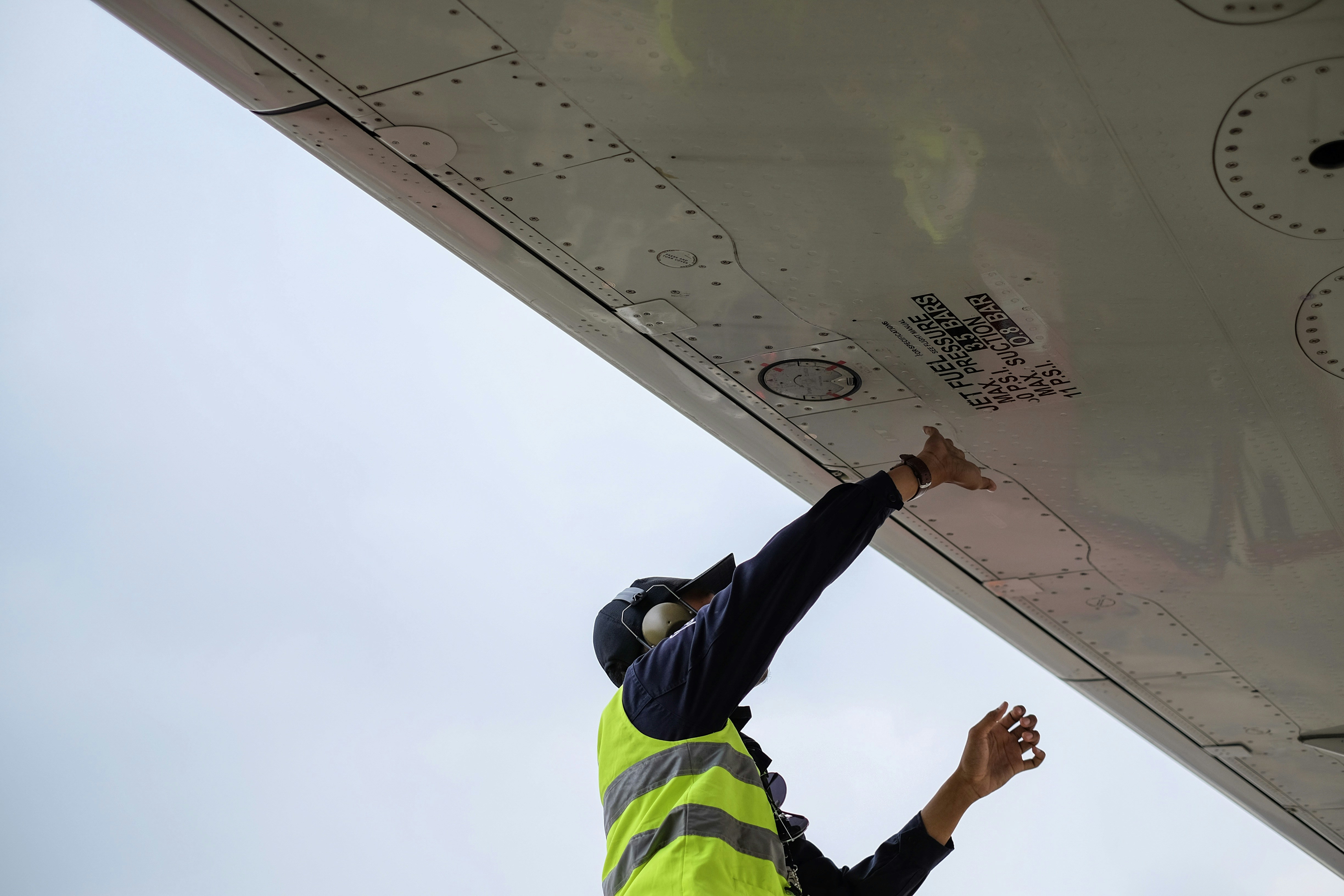 Photo by Pandu Agus Wismoyo on Unsplash
 Maintaining Excellence: Lessons from Adi Rahadi
December 22, 2024 | by adianyo78@gmail.com
Photo by Pandu Agus Wismoyo on Unsplash The Art of Maintenance: Insights from Adi Rahadi
December 22, 2024 | by adianyo78@gmail.com

Revamping Reliability: Adi Rahadi’s Maintenance Revolution
December 22, 2024 | by adianyo78@gmail.com
 Photo by Sonika Agarwal on Unsplash
 Mastering Maintenance: Principles and Practices from Adi Rahadi
December 22, 2024 | by adianyo78@gmail.com
Photo by Pandu Agus Wismoyo on Unsplash Sustaining Excellence: Lessons from Adi Rahadi’s Maintenance Philosophy
December 22, 2024 | by adianyo78@gmail.com
Photo by Pandu Agus Wismoyo on Unsplash The Art of Maintenance: Insights from Adi Rahadi
December 22, 2024 | by adianyo78@gmail.com
The Philosophy Behind Maintenance
Adi Rahadi’s philosophy surrounding maintenance is rooted in the belief that proactive strategies significantly enhance operational efficiency and overall performance. This mindset shifts maintenance from a merely reactive function to a cornerstone of sustainability and longevity across various industries. Instead of waiting for a system or machinery to fail, embracing a proactive approach allows organizations to anticipate potential issues, thereby minimizing downtime and unnecessary costs.
In Adi’s experience, maintenance is often perceived as a burden, a line-item expense drawing resources away from growth and productivity. However, he challenges this notion by emphasizing that a robust maintenance strategy fosters reliability and trust in operations. This proactive methodology not only secures the functionality of machinery and equipment but ultimately builds an infrastructure that can withstand the test of time. By treating maintenance as an integral part of the operational lifecycle, businesses can enhance their competitive advantage.
Anecdotes from Adi’s experiences highlight transformational outcomes derived from a maintenance-first approach. For instance, he recounts a scenario where a manufacturing facility adopted a scheduled maintenance program rather than addressing repairs only after breakdowns occurred. This shift not only reduced equipment failure rates significantly but also increased overall productivity by 20%. Such instances underscore the profound impact of a well-structured maintenance philosophy, showcasing how it can lead to greater efficiency and reduced costs.
Furthermore, the integration of technology and data analytics in maintenance strategies plays a pivotal role in this philosophy. By harnessing predictive analytics, companies can better forecast maintenance needs and schedule interventions accordingly, thus ensuring optimal performance. Adi Rahadi’s belief that maintaining infrastructure and machinery proactively transforms not just individual organizations but entire industries stands as a testament to the far-reaching impacts of this philosophy.
Practical Strategies for Effective Maintenance
Effective maintenance practices are vital in various industries, ensuring not only longevity of equipment but also enhancing operational efficiency. Adi Rahadi emphasizes several practical strategies that organizations can adopt to achieve excellence in maintenance. One of the cornerstones of these strategies is the implementation of a predictive maintenance methodology. This approach utilizes data analytics and advanced technologies, such as Internet of Things (IoT) devices and sensors, to forecast potential failures before they occur. By monitoring equipment conditions in real time, organizations can schedule maintenance tasks proactively, significantly reducing unplanned downtime and associated costs.
Another effective strategy advocated by Adi is the incorporation of standardized maintenance practices. Organizations are encouraged to develop detailed documentation outlining procedures and best practices. This standardization not only aids in consistency across maintenance operations but also ensures that all personnel are trained effectively, leading to improved skill sets and overall team performance. Utilizing software tools tailored for maintenance management can also enhance efficiency. For instance, Computerized Maintenance Management Systems (CMMS) facilitate the tracking of maintenance requests, scheduling of tasks, and management of spare parts inventory, thereby enabling more streamlined operations.
Case studies from Adi Rahadi’s work provide concrete evidence of the success of these methodologies. For example, in a manufacturing plant that implemented predictive maintenance, equipment downtime was reduced by over 30%, leading to increased production rates and substantial cost savings. Furthermore, organizations that foster a maintenance culture, characterized by open communication and continuous improvement, see enhanced employee engagement and commitment to excellence. Encouraging staff to participate in training programs and maintenance reviews creates an environment where everyone contributes to the organization’s success. By adopting these practical strategies and leveraging technology, organizations can maintain excellence in their maintenance practices, ensuring operational efficiency and sustainability.